
Cloisonné
Marble, onyx, brass and glass enamel, set by hand into one mosaic: an ancient jeweler’s craft made at the scale of a floor or a wall, in twenty designs or your own.
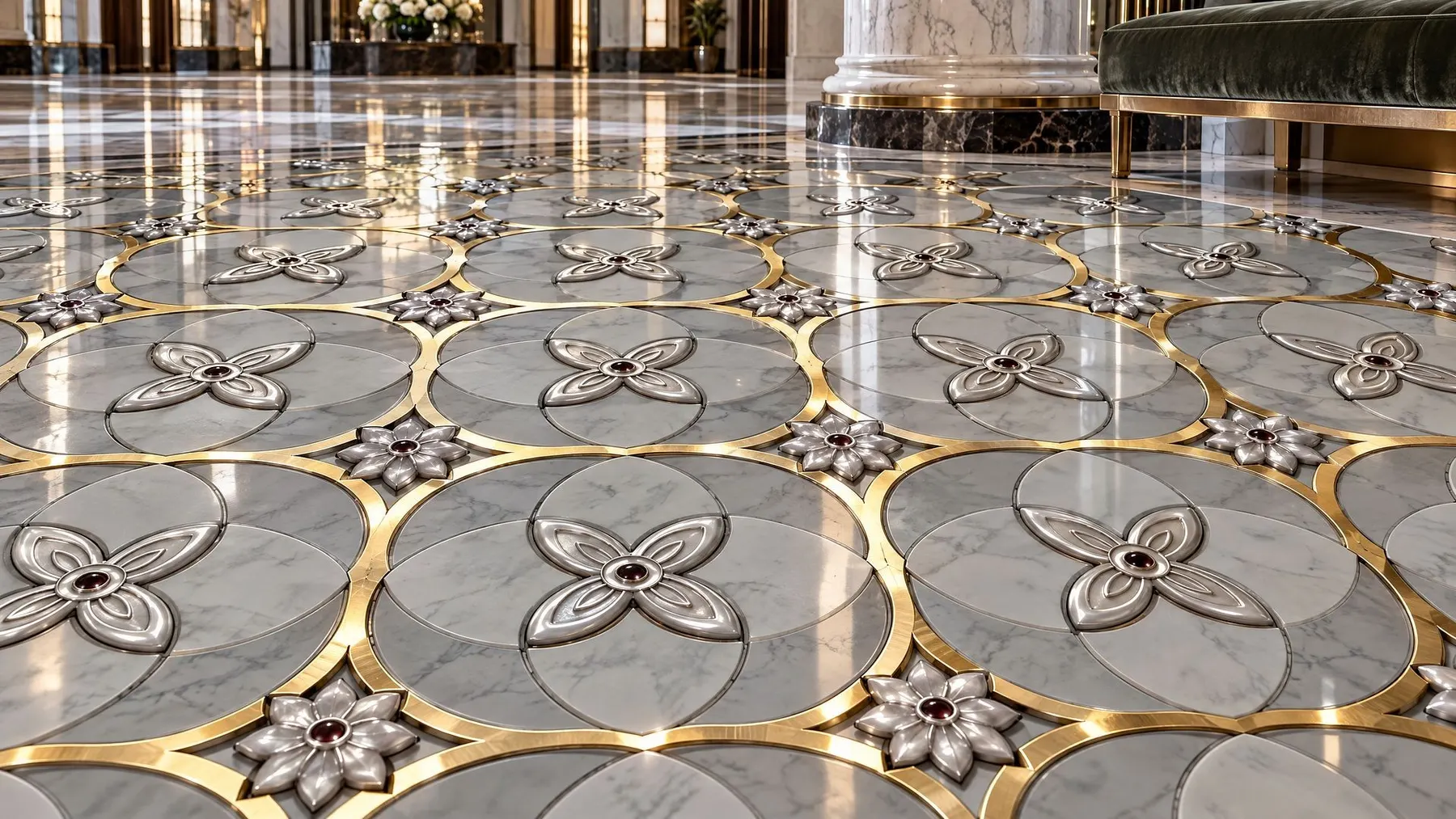
Cloisonné mosaic is drawn in metal. Fine brass lines outline every petal, leaf and curve, and each space between them is filled with polished stone or a fired glass enamel. The result reads like inlaid jewelry: crisp lines of gold, deep enamel color and the natural veining of the marble, all polished into one flat, smooth surface.
It suits a powder room floor, a bar front, a feature wall or a hotel lobby medallion. Designs below are made to order in their shown colors, and any of them can be recolored or redrawn. Send us a drawing, a fabric or a photo and we will turn it into a cloisonné design for your room.
Allow about 8 to 12 weeks from an approved sample. Because every sheet is set by hand, we send a real sample of your design and colors before production.
- MaterialsMarble, onyx, brass and glass enamel
- SheetsInterlocking, about 10 to 16 inches
- UsesFloors, walls, bar fronts, feature panels
- CustomAny design, any colors
- Lead timeAbout 8 to 12 weeks; minimums may apply
How it is made
Every piece set by hand- The drawing. Every design starts as a full-size drawing. It decides where each line of metal will run and which material fills each space.
- The walls. Thin strips of brass are bent by hand to follow each line, then set on edge to form small walled cells. In French these walls are cloisons, which gives the craft its name.
- The fill. Each cell gets its own material: polished marble or onyx cut to fit, or a glass enamel laid in as a paste.
- The fire. The enamel is fired until it melts into a smooth, glassy pool of color, sometimes in several layers for depth.
- The polish. The whole sheet is ground and polished flat, so stone, enamel and brass meet in one level surface, with the brass drawing every line.
A short history
Three thousand years of the same ideaCloisonné is one of the oldest decorative crafts there is. Jewelers on Cyprus and in Mycenaean Greece were setting glass into gold cells more than 3,000 years ago. Byzantine goldsmiths made it famous: from about the 9th century their enameled icons, crowns and book covers were prized across Europe.
The technique reached China by the 14th century and came into its own in the court workshops of the Ming dynasty. It flourished so brilliantly under the Jingtai Emperor in the 1450s that the Chinese still call cloisonné jingtailan, "Jingtai blue." Vases, incense burners and screens from those workshops are museum pieces today.
The modern step is scale. The same walled-cell method now builds mosaic sheets of marble, onyx, brass and enamel, made to be set on floors and walls: durable enough for a hotel lobby, fine enough to be the jewel of a powder room.
Twenty designs
Made to order · or drawn for you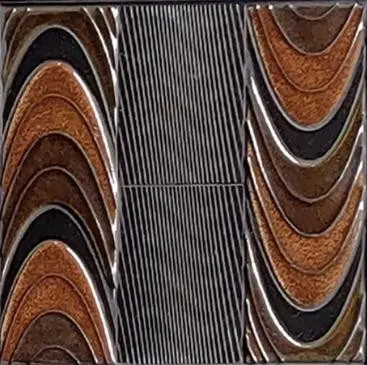
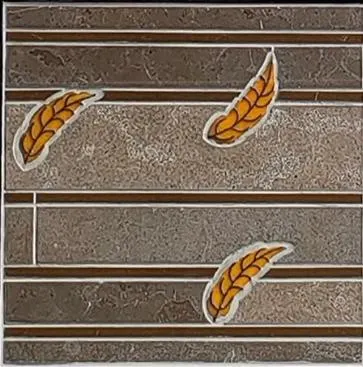
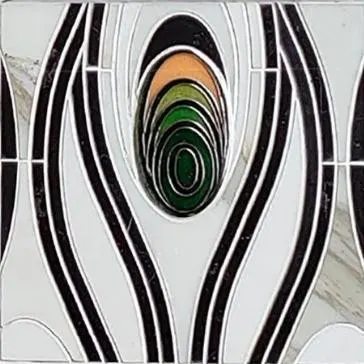
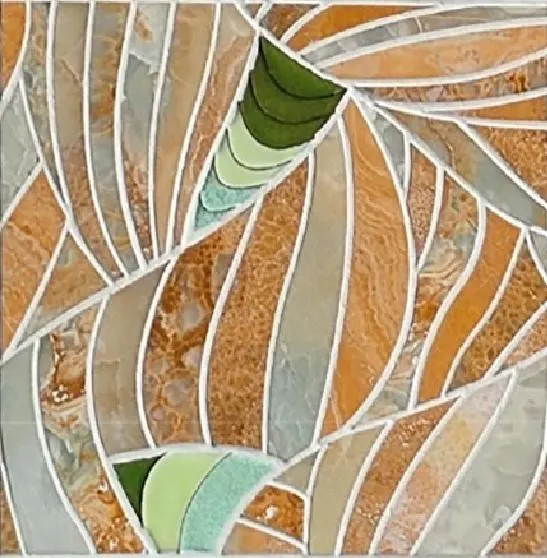
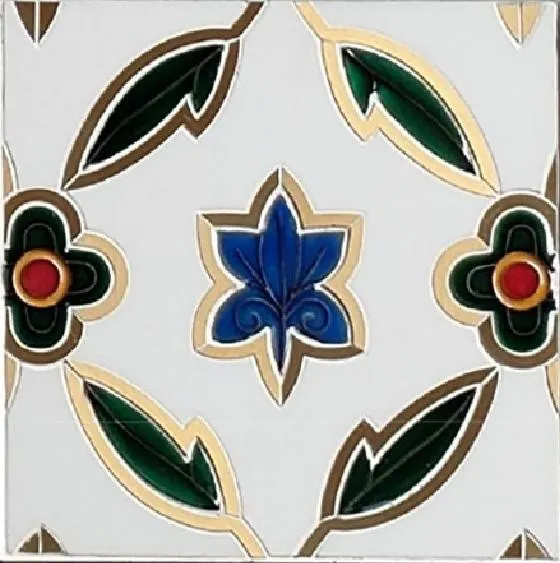
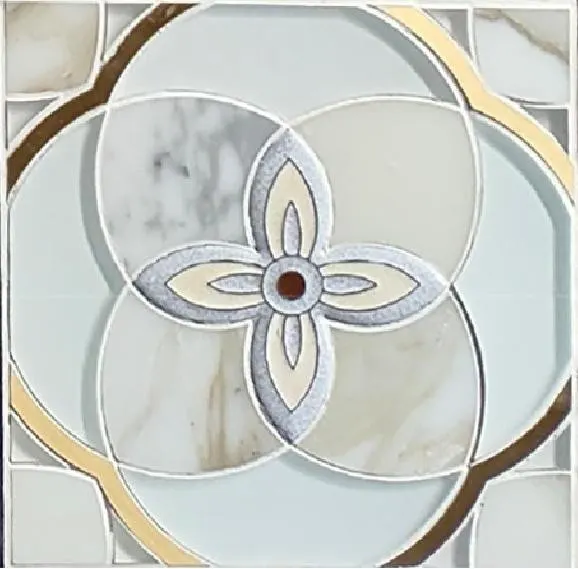
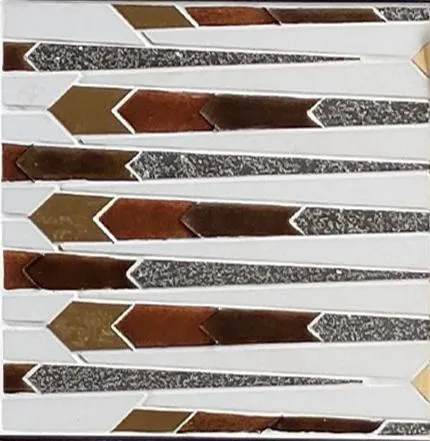
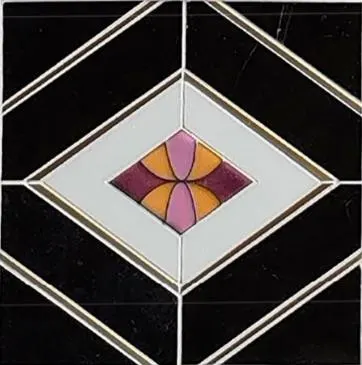
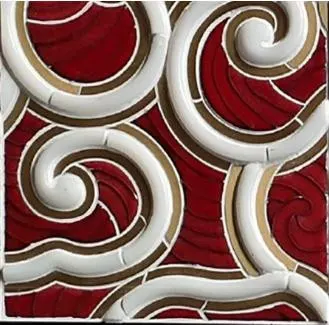
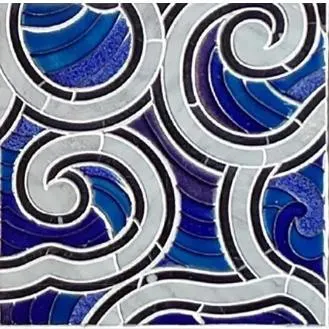
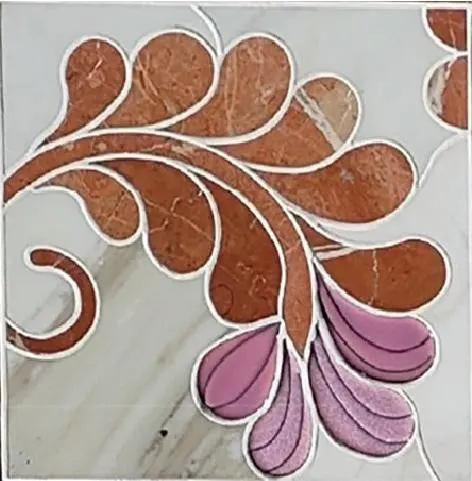
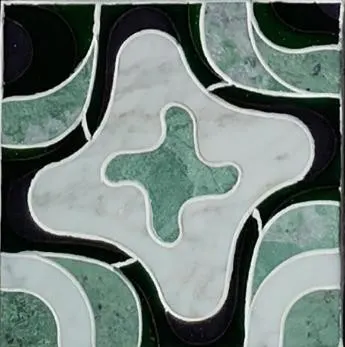
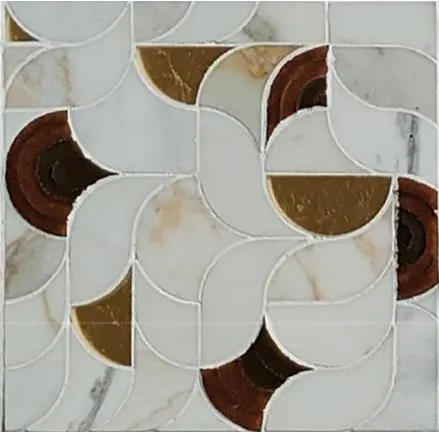
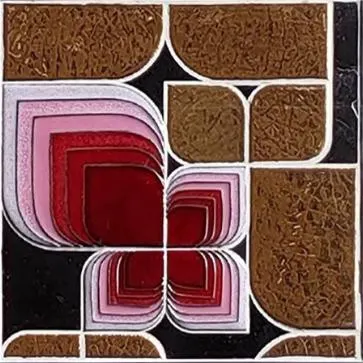
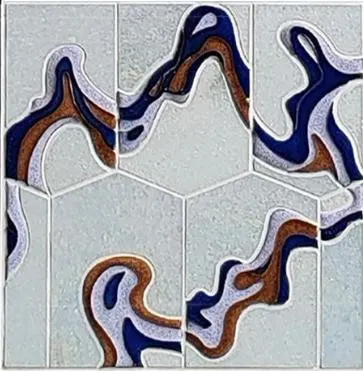
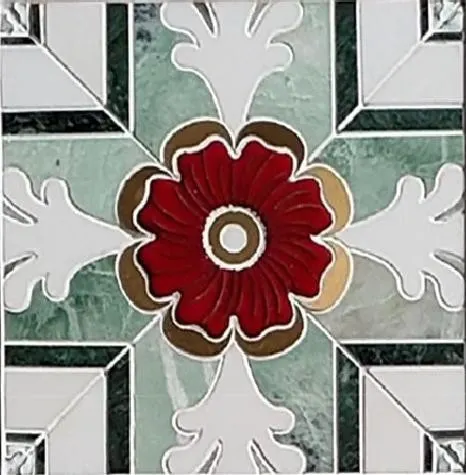
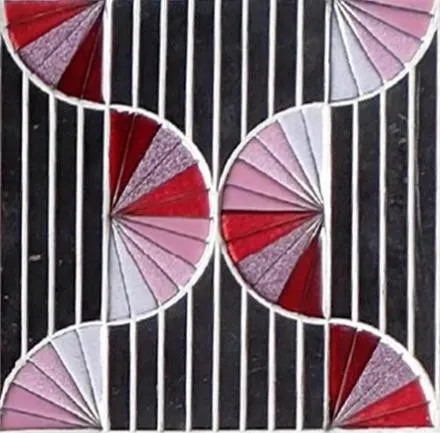
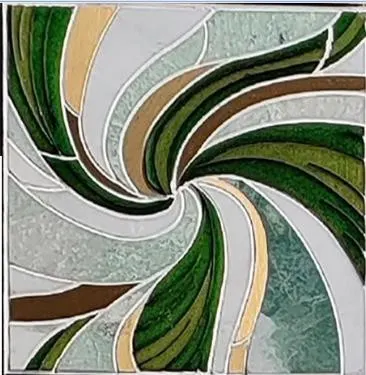
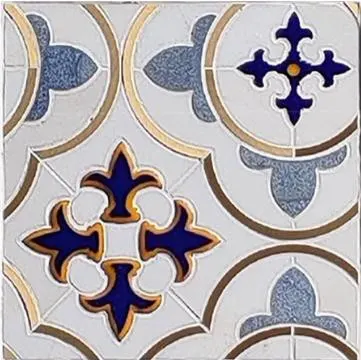
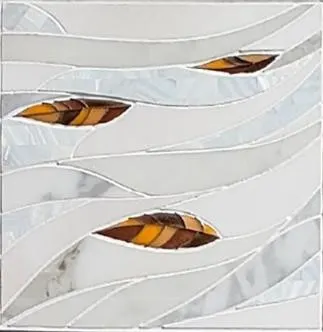
Every design can be recolored, rescaled or drawn new for your project. Sheets interlock, so the pattern runs on without a visible seam.
Installed
Floors, walls and feature panels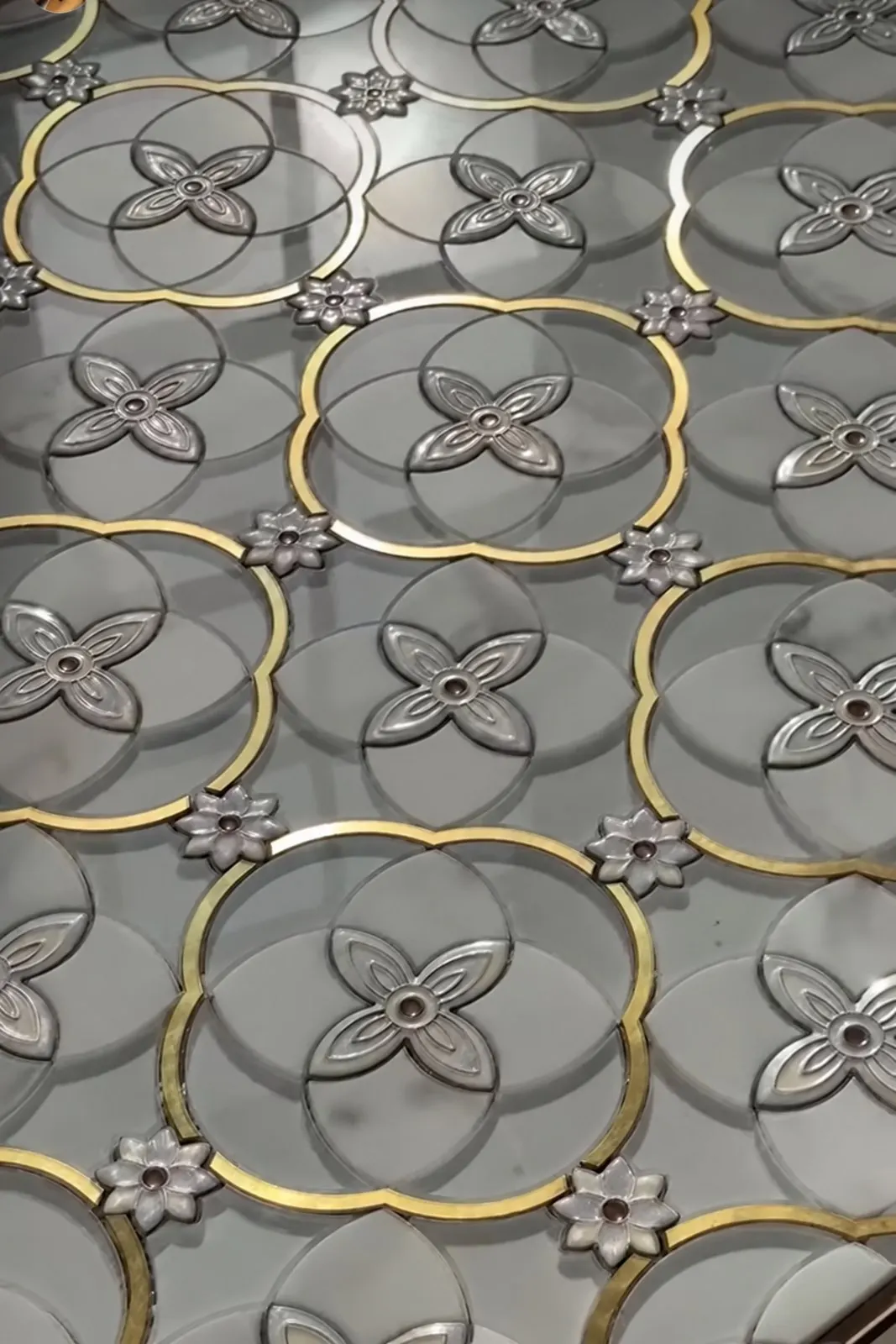
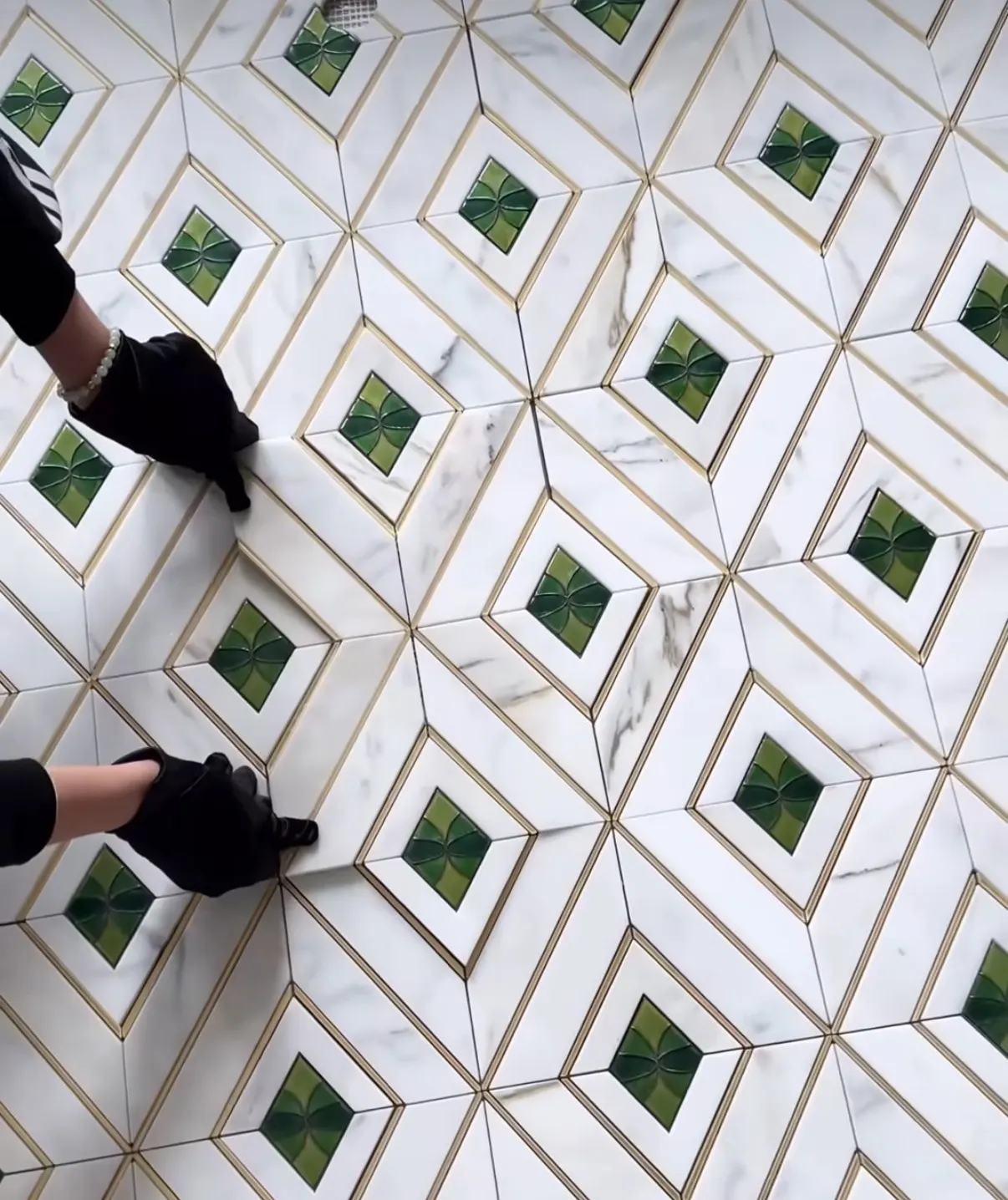
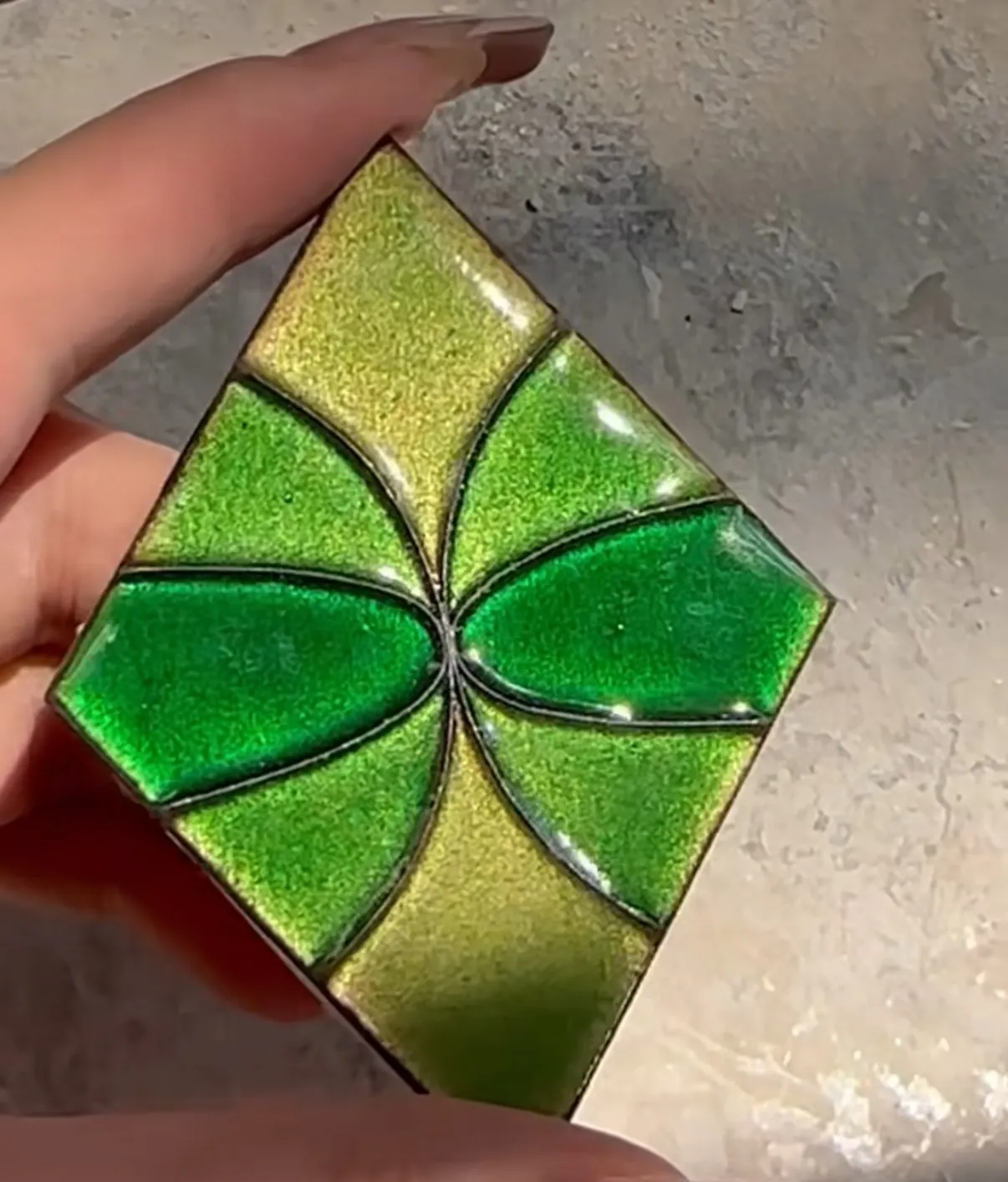
Tell us what the drawings call for.
Send the room, the sizes and a reference photo. We sample it, price it and give you a lead time.
Ask for a quote Book a showroom visit